
Concreting, demolition and site works in Tamworth
The work that sets up a good build - and finishes it off. We handle concreting, retaining walls, roofing, cladding, demolition and non-friable asbestos removal across Tamworth and the North West, as part of a bigger job or on its own.
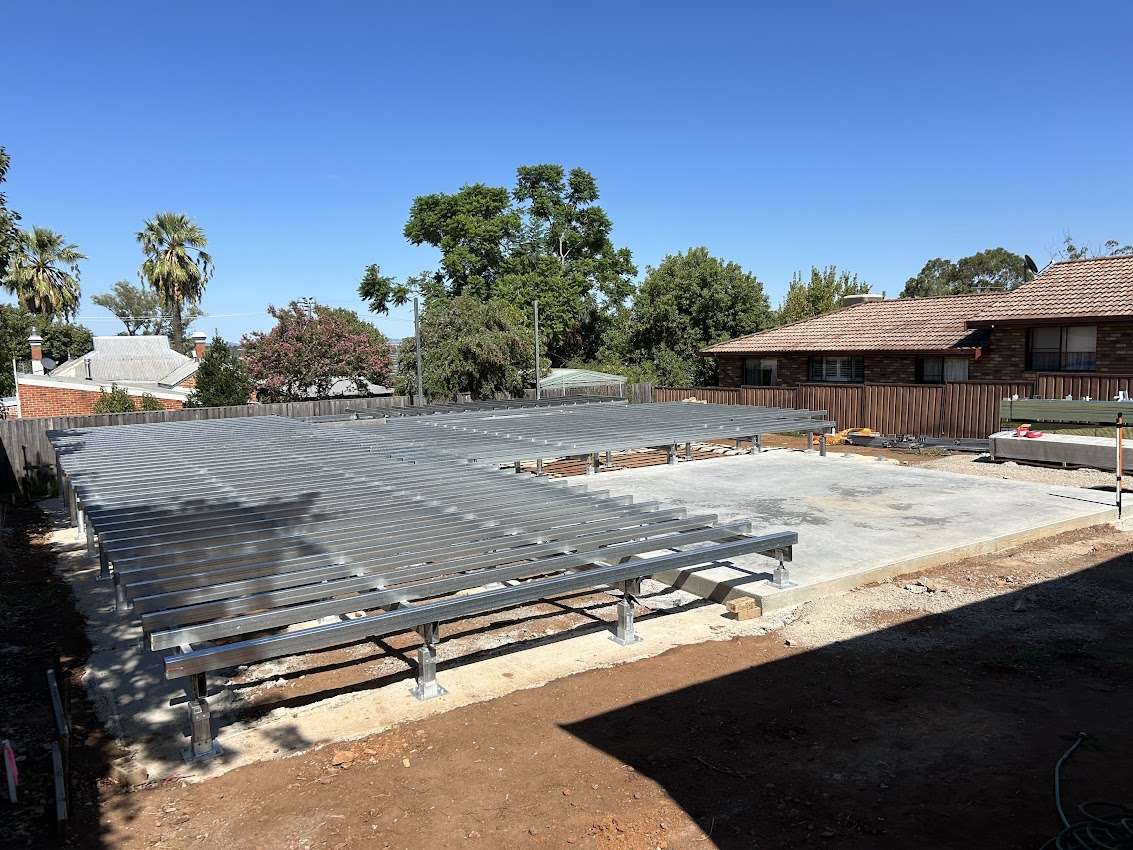
Concreting
Good concrete starts well before the truck turns up. Site preparation, compaction, formwork, reinforcement and curing decide how long a slab or driveway lasts - especially on Tamworth's reactive clay soils and in hot-weather pours, when concrete can go off too quickly if it isn't managed.
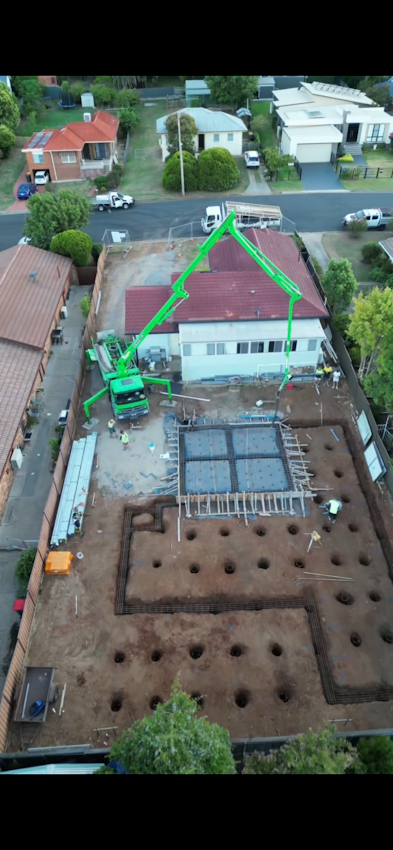
What we pour
Slabs - house slabs (waffle, raft and conventional), granny flat, shed, garage, patio and alfresco slabs
Driveways and paths - plain, coloured or exposed aggregate, plus footpaths and accessibility ramps
Footings - strip footings, piers and retaining wall footings
Site prep - excavation, compacted base, steel fixing, membranes, edge boards and formwork
Why builders make better concreters
Because we build what goes on top, we think about the whole job - the loads the slab will carry, the levels and falls the next trades need, and what happens to stormwater. A cheap pour that's out of level or under-reinforced costs far more to fix later.
What affects the price
Area, thickness, reinforcement, site access, excavation, finish and drainage. A plain path costs less than a reinforced shed slab or an exposed aggregate driveway, and rural sites may need extra levelling or access work. We'll quote on the real job after a site visit, not a rough guess that changes later.
Retaining walls
Retaining walls turn a sloping block into usable space, hold back soil, protect driveways and help manage stormwater.
Drainage is what makes or breaks a retaining wall. Water trapped behind the wall is the most common reason walls lean or fail, so ag pipe, gravel backfill and weep holes are part of every wall we build.
Timber sleeper walls
Concrete block and poured concrete walls
Stone and masonry walls
Engineered walls
For steep or difficult sites. Walls over 600mm generally need engineering and council approval - we organise both.
Roofing
Roof framing for new homes and extensions, re-roofing tired or storm-damaged roofs, and repairs to keep the weather out. On extensions we tie the new roof into the old so it looks like it's always been there, and plan gutters and downpipes for the extra roof area.
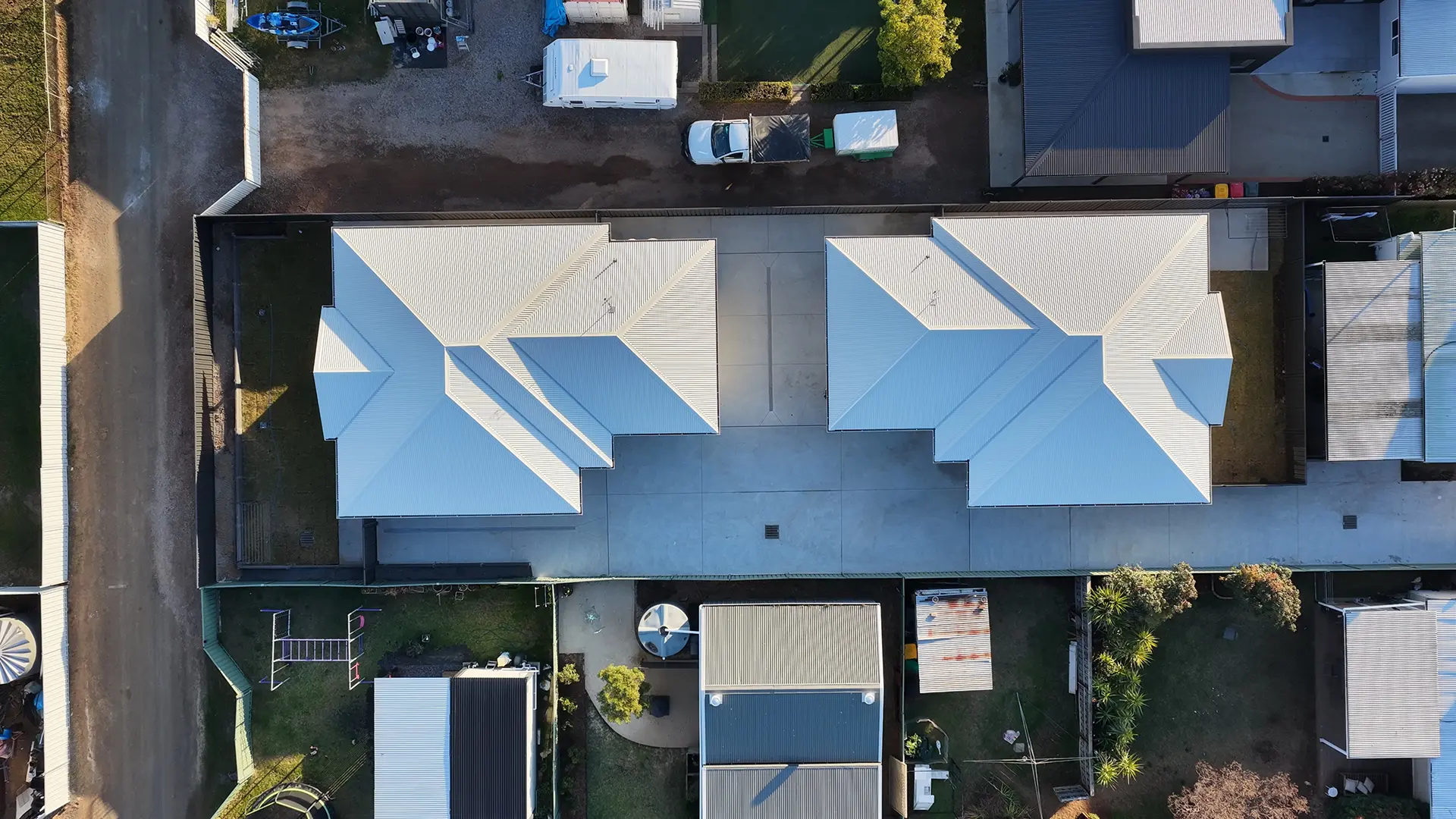
Cladding
Cladding protects your home from the weather, improves insulation and can give an older place a completely new look.
Timber - hardwood, cedar and treated pine for a warm, natural finish
Colorbond steel - durable, low maintenance, wide colour range
Fibre cement - fire resistant, versatile and paintable
Repairs and replacement - damaged boards, faded surfaces and rot
Older homes with fibro cladding should be checked for asbestos before any cladding work starts. We can test, remove and re-clad in one job.
Demolition
What we demolish
Residential - full house demolition for knockdown rebuilds, and partial demolition for renovations and extensions
Commercial - internal strip-outs, shop and office demolition, small building removals
Rural - old sheds, barns, tanks and farm structures
How we do it safely
Every job starts with a site assessment, then approvals, utility disconnections (power, gas, water, sewer) and a safe setup with fencing, signage and dust control. Some jobs need careful hand demolition near what's staying, and others need machinery.
Waste and clean-up
We separate timber, metal, concrete and bricks for recycling where we can, take hazardous waste to licensed facilities, and leave the site clean and ready for whatever comes next.
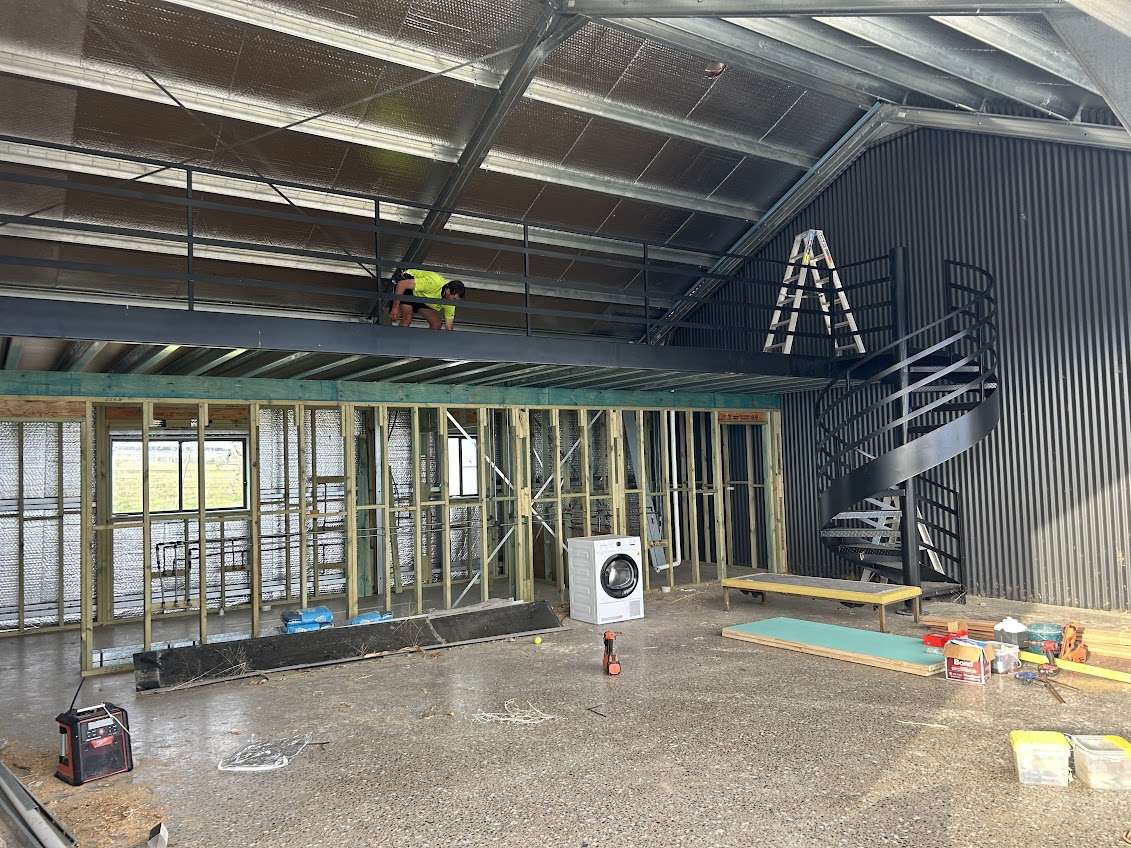
Non-friable asbestos removal
Many Tamworth homes and sheds built before 1990 contain bonded (non-friable) asbestos - in fibro sheeting, eaves, wet-area linings, corrugated roofing and fencing. It's stable when left alone, but cutting, drilling or breaking it can release harmful fibres.
Our team holds non-friable asbestos removal qualifications (CPCDE3014A and CPCCBC4051A). We inspect and identify the material, isolate the area, remove it with the right protective gear and methods, and dispose of it at a licensed facility. We work with homeowners, property managers, builders, renovators, and commercial and rural property owners.
Don't cut, remove or dump asbestos yourself. In NSW you need a licence to remove more than 10m² of non-friable asbestos, fines apply for illegal dumping, and the health risks are serious.
One team for the whole site
A knockdown rebuild can mean demolition, asbestos removal, site prep, a slab and the new home - normally four or five contractors. With us it's one team and one point of contact, with each stage planned around the next.
How it works
Site assessment
We look at the site, the structure, access and any hazards.
Plan and quote
You get a clear quote covering method, safety, approvals and waste.
Do the work
Done safely and in the right order, with you kept in the loop.
Clean up
We leave the site clean and ready for the next stage.
Concreting and Site Works FAQs
How long before I can build on a new slab?
Light foot traffic is usually fine after a day or two. Building generally starts after 7 to 14 days, depending on slab size, weather and the engineer's advice.
Can I get a decorative finish on my driveway?
Yes - broom, trowel, coloured and exposed aggregate finishes are all available.
Do retaining walls need approval?
Walls over 600mm generally need engineering and council approval. Lower garden walls usually don't. We'll check for your site.
Do I need council approval for demolition?
In many cases, yes - through a DA or the complying development pathway, depending on the structure.
Is asbestos removal included in demolition?
If non-friable asbestos is found and is within the scope of the job, we can remove it as part of the demolition. Raise any concerns early so it's planned in.
How do I know if my home has asbestos?
You can't tell by looking. If your home was built or renovated before 1990, assume fibro and some linings may contain it until tested. We can arrange testing before work starts.
Get a quote
Tell us what's on your site and what you need done.